Leaf mould: free soil improver from your autumn leaves
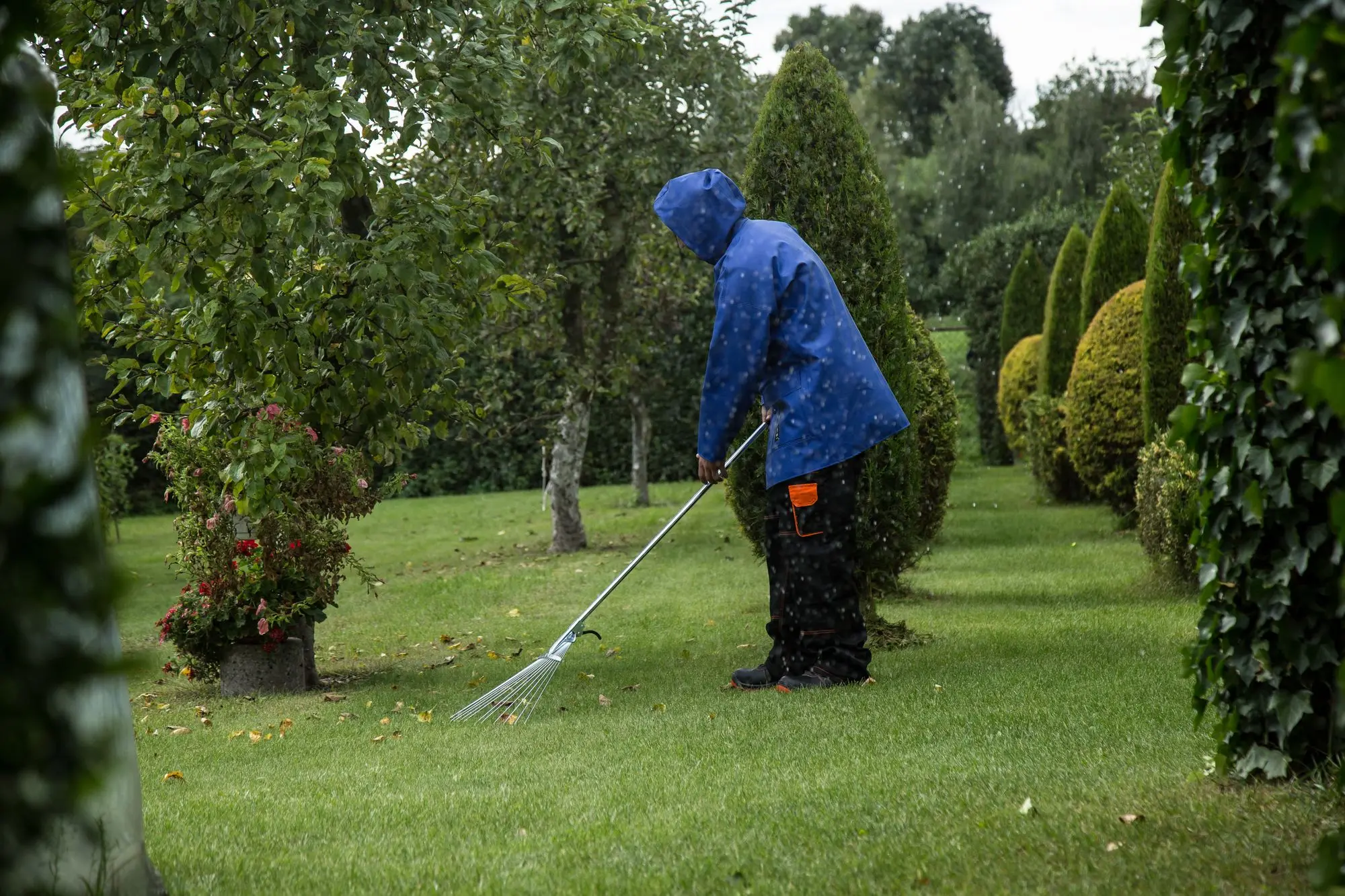
Every autumn the garden gives you a free load of the best soil improver there is. All you have to do is rake it up and wait.
Leaf mould is just leaves that have been left to rot down slowly over a year or two. What you end up with is dark, crumbly and earthy-smelling, and it does wonders for soil. It costs nothing, takes very little work, and saves filling the brown bin with leaves every week in November. In a country with this many trees and this much rain, it’s hard to think of an easier win.
Why not just put them in the compost?
You can add some leaves to the compost bin, but a big autumn load will swamp it. Leaves break down differently from kitchen and garden waste. Compost is mostly rotted by bacteria, which work fast and generate heat. Leaves are broken down mostly by fungi, which work slowly and in the cold. Giving leaves their own heap or bag lets them take their time without clogging up the compost bin.
Which leaves to use
- Best: oak, beech, hornbeam, birch and most fruit trees. They’re thin and break down quickly.
- Slower: sycamore, horse chestnut and other big, tough leaves. Run the mower over them first to shred them, and they’ll rot down much faster.
- Leave out: evergreen leaves such as laurel and holly, which take years, and conifer needles, which are best kept separate as a mulch for acid-loving plants.
Two easy ways to make it
A leaf cage. Knock four stakes into a quiet corner and wrap chicken wire or netting around them to make an open-topped pen about a metre square. Fill it with leaves as you rake them up, trampling them down as you go. It doesn’t need a lid. Irish rain will keep it damp enough.
Bags. If you’re short on space, use old compost bags or black bin bags. Fill them with leaves, wet them if they’re dry, tie the top loosely, and stab a few holes in the sides and bottom with a garden fork. Stack them behind the shed and forget about them.
Either way, the leaves need to stay damp. Check them in a dry spell, and add a can of water if they’ve dried out.
How long it takes
- After about a year, the leaves are dark and partly broken down. That’s rough leaf mould, and it’s already good as a mulch around shrubs and on beds.
- After two years, it’s fine and crumbly, like dark brown cake crumbs. You can mix it into potting compost or use it to sow seeds into.
How to use it
- As a mulch: spread a layer a few centimetres thick over beds and borders in autumn or spring. It keeps moisture in, keeps weeds down, and feeds the soil life as it breaks down.
- As a soil improver: fork it into heavy clay to open it up, or into light, sandy soil to help it hold water.
- In pots: mix well-rotted leaf mould with garden compost for an excellent home-made potting mix.
Leave some for the hedgehogs
Before you bag up every last leaf, leave a pile in a quiet corner under a hedge or behind the shed. Hedgehogs, frogs and all sorts of insects use leaf piles for shelter over the winter. A garden that’s a little untidy in November is a better garden for wildlife. For the rest of this month’s jobs, see the Irish garden in November. And for gloves that will stand up to a weekend of raking wet leaves, see how to choose gardening gloves.