Getting the garden through a storm
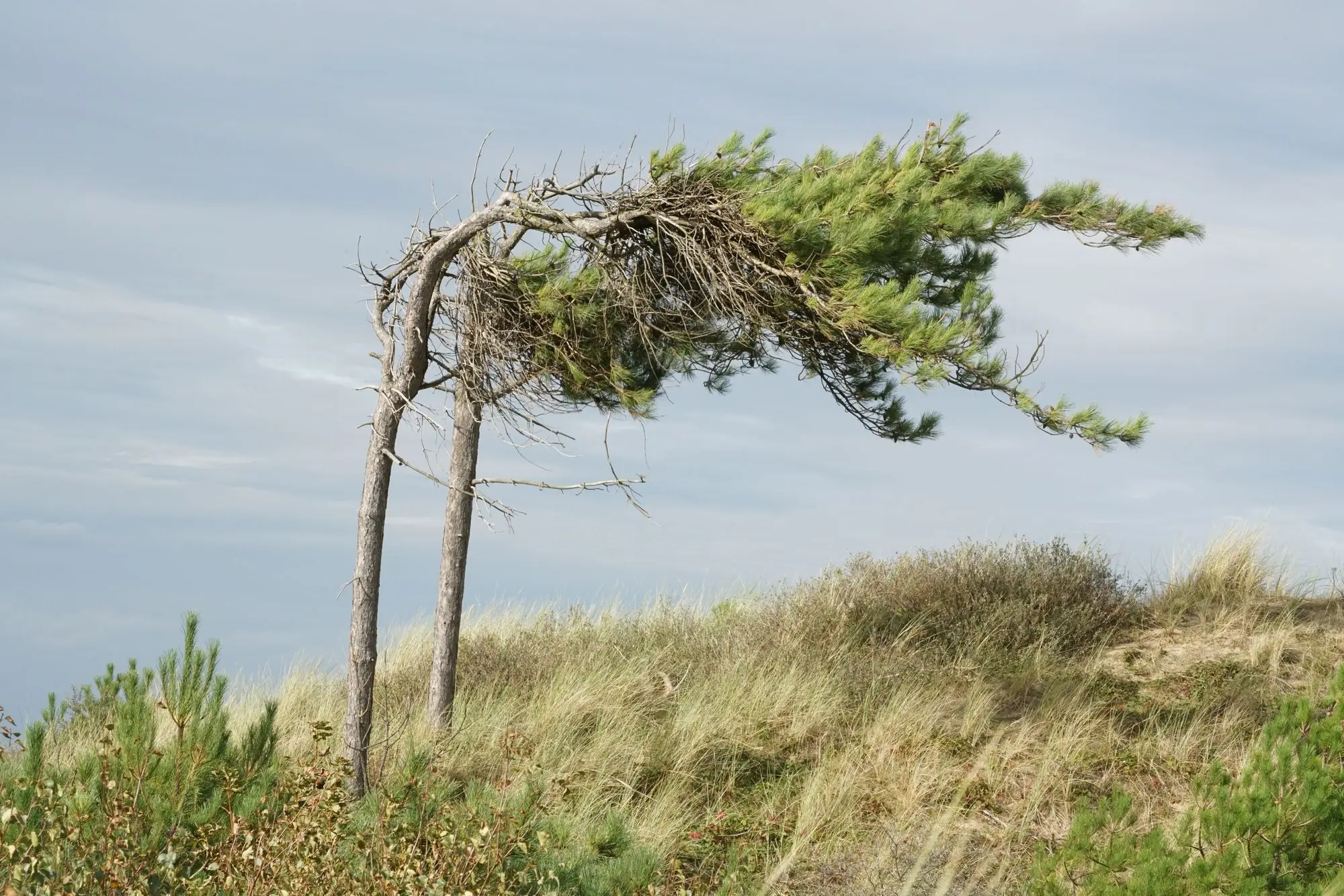
Most Irish winters bring at least one named storm. A bit of preparation the day before saves a lot of clearing up the day after, and keeps your garden from ending up in someone else’s.
Storms are part of the Irish gardening year now. Met Éireann names them together with the UK and Dutch weather services, and a busy season can run well into the alphabet. Most of the damage in gardens comes from the same things every time: loose objects, weak fences, tunnels and greenhouses, and trees that were already struggling. Here’s what to do before, during and after.
Know the warnings
Met Éireann issues yellow, orange and red wind warnings. Yellow means be aware, and it’s worth a walk round the garden. Orange means be prepared, so tie down or bring in anything that could move. Red means take action to protect yourself and your property, and stay indoors while it passes. Warnings usually come out a day or two ahead. Use that time.
The day before
- Trampolines first. Every storm, somewhere in Ireland, a trampoline ends up on a road or a roof. Anchor it with proper ground anchors, or turn it upside down and weigh it down.
- Bins, furniture and pots. Put wheelie bins in a sheltered spot or tie them to something solid. Stack or tie down garden furniture, and take off cushions and covers. Move light pots against a wall or into the shed.
- Fences and gates. Look for loose panels and wobbly posts. A gate left to swing will tear its hinges off, so bolt or tie it shut.
- Polytunnels and greenhouses. Close all doors and vents. Wind getting inside a tunnel is what lifts the cover. Check that greenhouse glass is secure and clips are in place.
- Young trees and climbers. Check stakes and ties. Tie in any loose stems of climbing roses or clematis before they whip around and break.
- Anything high up. Bird feeders, hanging baskets, outdoor lights and Christmas decorations should come down or be tied in.
During the storm
Stay inside. Don’t go out to rescue a fence panel or a pot. Nothing in the garden is worth getting hit by a flying branch. Keep away from windows on the windward side, and keep children and pets in.
Afterwards
- Stay away from fallen power lines. Assume any fallen wire is live, keep well back, and report it to ESB Networks straight away.
- Walk round carefully. Look up before you walk under trees. Damaged branches can hang for a while before they drop.
- Firm in rocked plants. Shrubs and young trees that have been shaken loose leave a gap around the stem where water collects. Firm the soil back around them with your foot and re-tie stakes.
- Tidy broken branches. Cut small broken branches back cleanly to a healthy bud or side branch with sharp secateurs or a pruning saw. Anything large, high, or near a house or power line is a job for a qualified tree surgeon.
- Rinse salt-burnt plants. Near the coast, storms can coat plants with salt spray. If rain doesn’t follow, hose the foliage down with fresh water.
- Take photos of any damage to property before you clear it, in case you need to make an insurance claim.
For the long term: shelter
If your garden takes a battering every winter, the best investment is shelter. A hedge is better than a solid wall or fence for this. A solid barrier forces the wind over the top, where it tumbles down on the other side in damaging gusts. A hedge filters the wind and slows it down over a much longer distance. Hawthorn, beech, escallonia and griselinia are all well proven in Irish conditions, and griselinia and escallonia are particularly good by the sea. November to March is the time to plant them bare-root. See the Irish garden in November for more.