How to choose secateurs (and keep them sharp in a damp climate)
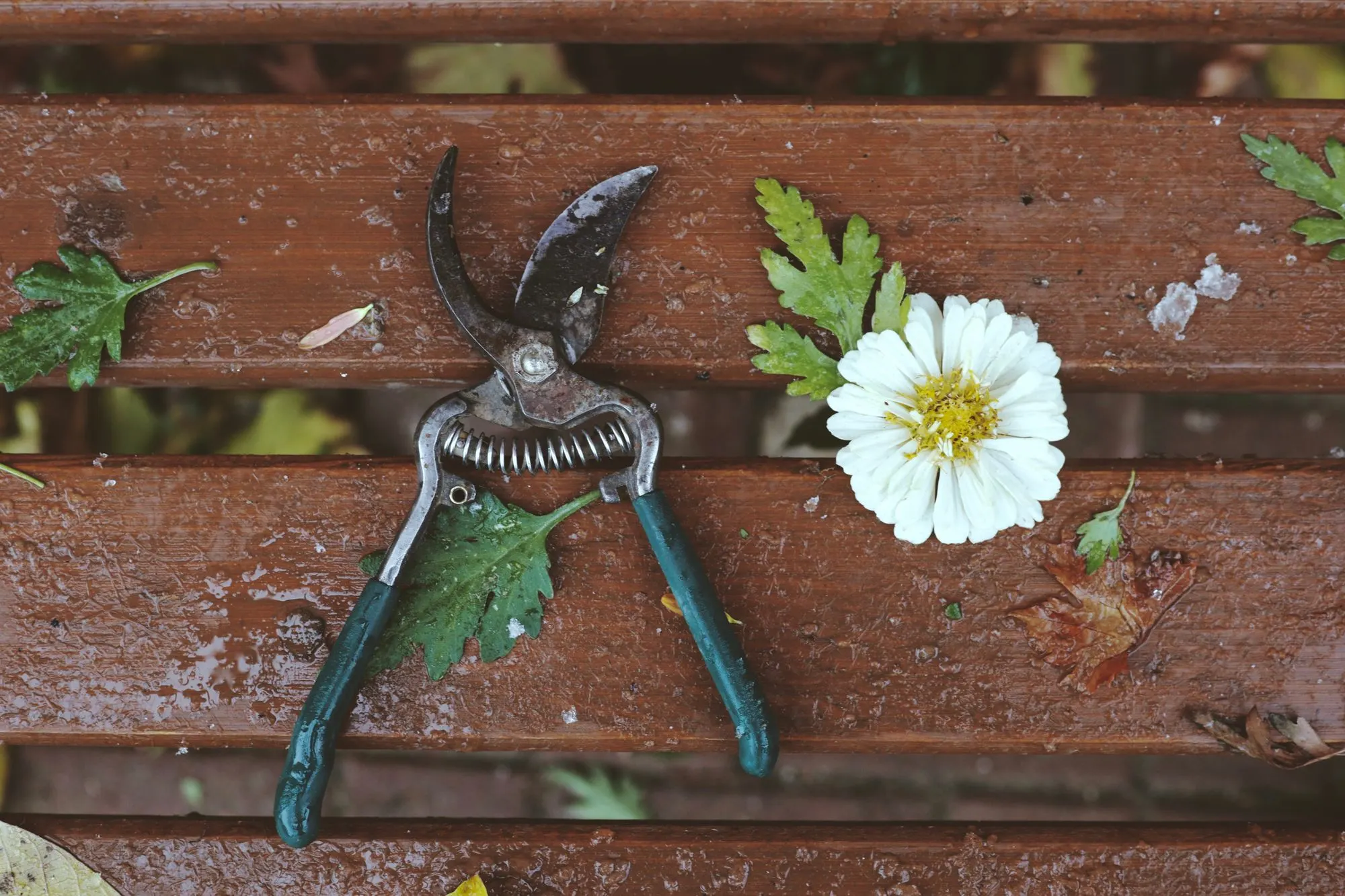
If you only buy one good garden tool, make it a pair of secateurs. Here’s how to pick a pair that suits your hand and your garden, and how to keep them cutting cleanly through years of Irish damp.
Secateurs do more work than anything else in the shed. Deadheading, cutting back, pruning roses, trimming shrubs, cutting flowers for the house: in most gardens they come out every week of the year. A pair that suits you makes all of that easier. A pair that doesn’t will crush stems, tire your hand and end up rusting in a drawer.
Bypass or anvil
This is the first choice, and it matters more than the brand.
- Bypass secateurs work like scissors. A sharp blade slides past a thicker hook, giving a clean cut that heals well. They’re the right choice for live, green growth, which covers most of what you’ll cut: roses, shrubs, perennials and fruit bushes. If you’re buying only one pair, buy bypass.
- Anvil secateurs have a single blade that closes onto a flat surface, like a knife on a chopping board. They take less effort on hard, dry wood, but they crush soft stems. They’re useful for clearing dead wood, but they shouldn’t be your everyday pair.
Fit your hand
Pick them up and open them fully. You should be able to close them comfortably without stretching your fingers, and the handles shouldn’t dig into your palm. Larger secateurs aren’t better. Pairs that are too big for your hand are tiring and less precise. A few other things to check:
- Left-handed? Proper left-handed secateurs exist. The blade is on the other side, so you can see what you’re cutting.
- Weaker grip or stiff joints? Look at ratchet secateurs, which cut in a few small squeezes rather than one hard one, or models with a rotating handle.
- The catch that locks them closed should be easy to use with one hand, including with gloves on, and shouldn’t snap shut while you’re working.
Know when to stop
Most secateurs are made for stems up to about the thickness of your finger. If you have to twist, lever or use two hands, you’re asking too much of them. That’s how blades get sprung and pivots get loose. For thicker branches, use loppers (long-handled for leverage) or a pruning saw.
What makes a pair last
- Replaceable parts. The best secateurs let you buy a new blade and spring, so the pair outlives its first ten years. If spares are available, that tells you the pair is built to last.
- A good blade. Hardened carbon steel holds an edge well but will rust if left wet. Stainless or coated blades cope better with damp, but can be harder to sharpen. In an Irish garden, either works if you dry them after use.
- A pivot you can adjust. Over time the blades loosen and start to tear rather than cut. A pivot bolt you can tighten fixes that in seconds.
Looking after them in a wet climate
In a damp shed, rust is the main enemy. A few minutes now and then keeps them in good working order:
- Wipe after use. Sap builds up on the blades and makes them stick. A cloth with a little rubbing alcohol cleans it off. This also helps stop disease spreading from one plant to the next.
- Dry and oil. Don’t put them away wet. A drop of light oil on the blade and pivot every so often keeps rust off and the action smooth.
- Sharpen little and often. A few strokes with a small diamond file or sharpening stone, along the bevelled side only and following the existing angle, keeps them cutting cleanly. Leave the flat side alone apart from removing any burr.
- Keep them dry. Hang them up or keep them in a holster rather than at the bottom of a bucket. And check the lawn before it’s cut. Secateurs dropped in long grass are lost more often than any other tool.
A few Irish jobs to start with
Late winter and early spring are the main time for pruning roses and most shrubs. Leave the old flower heads on hydrangeas through the winter. They help protect the new buds from frost, and you can cut them back to a pair of fat buds in spring. Fuchsia hedges, so common in the west, can be tidied in spring once the worst of the frost has passed. For what else needs doing this time of year, see the Irish garden in November.