The Irish garden in December
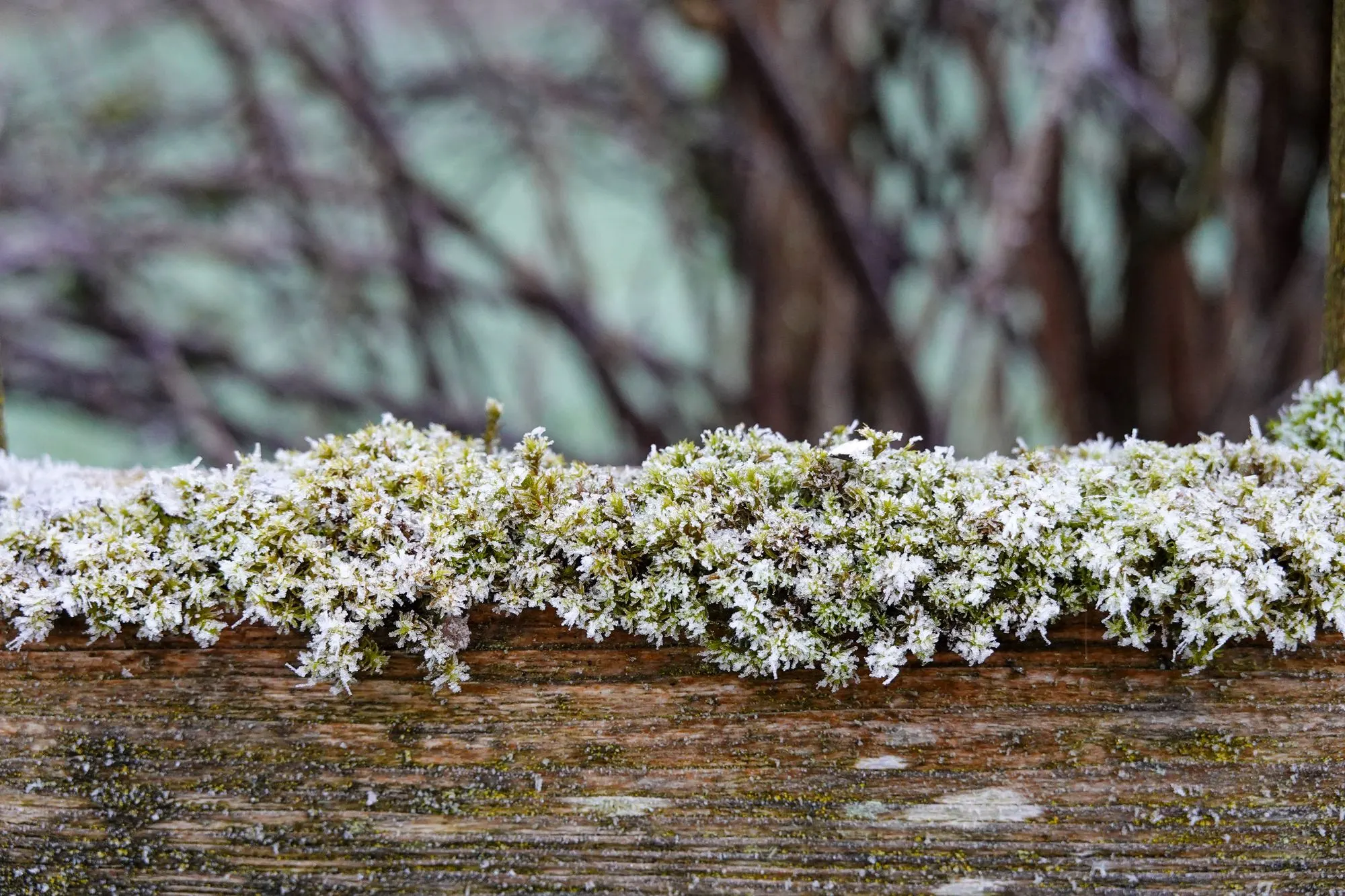
The shortest days of the year, and the quietest month in the garden. December is for small jobs on dry days, a bit of planning, and keeping an eye on the weather.
Around the solstice on 21 December, the sun barely clears the hedge, and on a grey day it hardly feels like it’s risen at all. It’s the week the rising sun shines down the passage into the chamber at Newgrange, as it has for more than five thousand years, and the turning point is worth marking in the garden too. Not much grows, and the soil is usually too wet to work. But there’s no shortage of useful jobs for a dry hour at the weekend.
Stay off the wet ground
The most useful thing you can do for heavy, sodden soil is leave it alone. Walking or digging on it squeezes the air out, and it takes months to recover. If you need to get to a bed, lay down a plank to spread your weight. The same goes for the lawn. Let it be until spring.
Winter pruning of fruit trees
Apple and pear trees can be pruned any time they’re dormant, from now until late February. Pick a dry, mild day. Start by taking out anything dead, diseased or damaged, then any branches that cross and rub. After that, aim to open up the centre so air and light can get in. That matters in a damp climate, where poor airflow encourages scab and canker. Use sharp tools and make clean cuts just above a bud. (Leave plums and cherries alone for now. They’re pruned in summer.)
Check stakes, ties and anything the wind could take
- Walk round young trees and check their stakes and ties. A tie that’s too tight will cut into the bark as the tree grows, and a loose one lets the tree rock in the wind and loosen its roots.
- Check fence panels, trellis and anything leaning against the shed before a storm, not after.
- Move pots, furniture and anything light into the lee of a wall, or tie it down. Garden furniture covers are the first thing to go in a gale.
Protect what needs it
Most of Ireland gets frost but rarely hard, long freezes. Inland and in hollows, though, a cold snap can still do damage. Keep horticultural fleece handy for tender plants in pots and borders, and keep pots up on feet so they don’t sit in water. If snow comes, brush it off evergreen shrubs and hedges before the weight bends or breaks the branches. For more on when and where frost hits, see frost in Ireland: what to expect where you live.
Garlic and broad beans
There’s an old saying: plant garlic on the shortest day and harvest it on the longest. Garlic needs a spell of cold to form good bulbs, so late autumn and early winter are the right time. In heavy, wet soil, plant it in a raised bed or start the cloves in small pots in a cold frame, and set them out in spring. In a sheltered spot with free-draining soil, hardy broad beans sown in late autumn will give you an early crop next year.
The Christmas tree
- If you buy a real tree, cut a thin slice off the bottom of the trunk when you get it home and stand it in water straight away. Top up the water every day. A thirsty tree drinks a surprising amount in the first week.
- Keep it away from radiators and the fire. Warmth dries out the needles faster than anything.
- In January, most councils run Christmas tree drop-off points where trees are chipped for mulch. Take off every last bit of tinsel and decoration first.
Birds and the compost heap
Keep feeders clean and topped up, and if the weather goes cold, break the ice on a bird bath in the morning. Leave holly and other berries on the bush for the birds where you can. Turn the compost heap on a dry day if it’s not too cold. It will warm up again, and the decorations-and-wrapping season is about to fill the brown bin anyway.
Plan for next year
December is a good month for looking back over the year. Note what did well and what struggled. Decide on the jobs you never got round to. Check over your tools, and replace the ones that are past saving. If you’re thinking about new secateurs, our guide on how to choose secateurs might help. And when it’s time for the front of the house, see dressing the front door for an Irish Christmas and outdoor Christmas lights that survive an Irish December.