The Irish garden in November
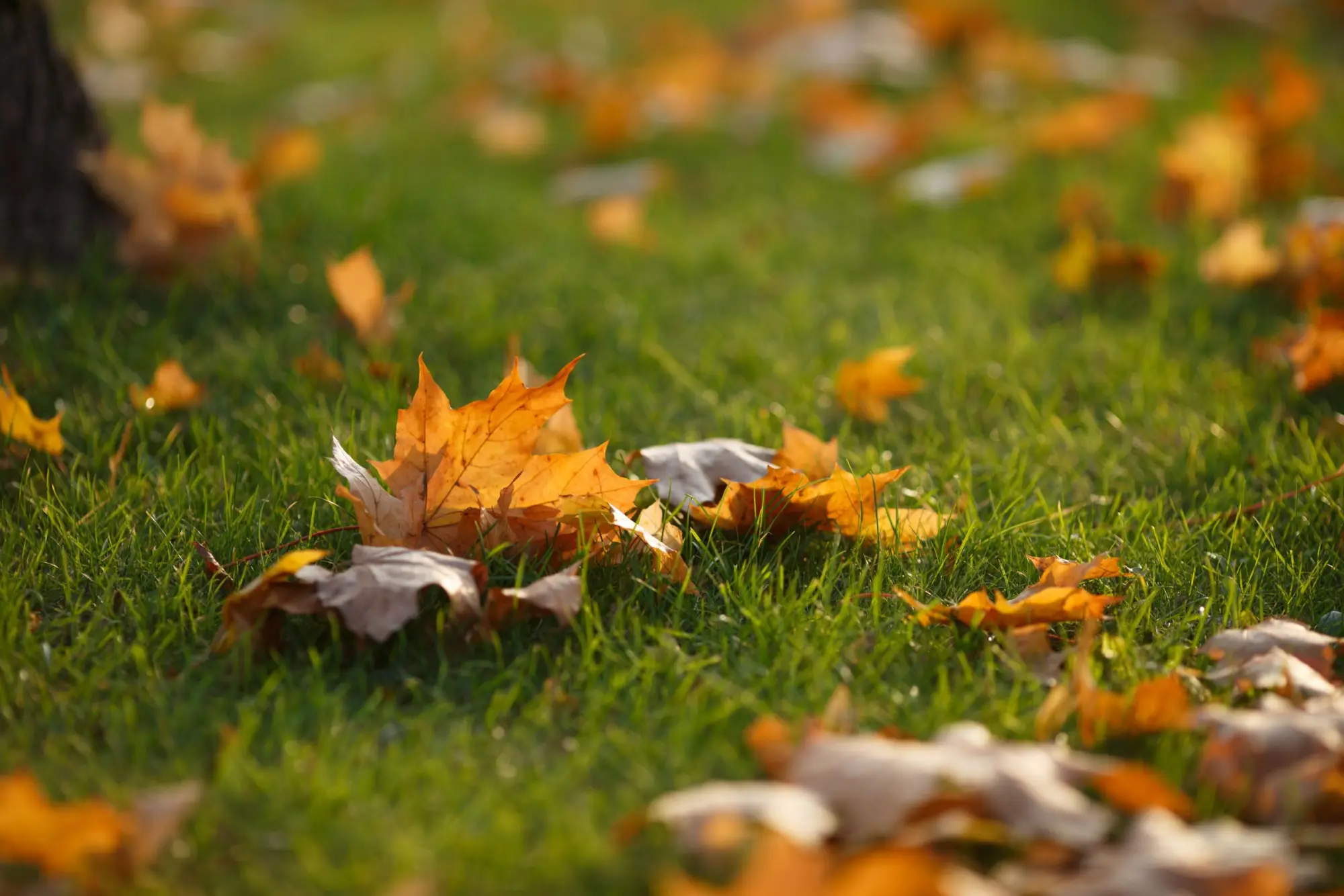
By the old Irish calendar, winter starts on 1 November. The garden doesn’t stop, though. November is for clearing up, planting the last of the bulbs and getting things ready before the hard weather comes.
Samhain marked the turn of the year, and the garden feels it. Light is gone by five, the leaves come down in earnest, and the ground gets wetter by the week. But Irish Novembers are mild compared with most of northern Europe. Soil stays workable, lawns keep creeping on, and there are still plenty of dry afternoons worth using. Here’s what’s worth doing this month.
Leaves: rake them, then use them
Get fallen leaves off the lawn, paths and steps. On grass they block the light and leave yellow patches. On paths they turn into a slippery mat after the first wet week.
Don’t throw them out. Stuff them into a few old compost bags, wet them if they’re dry, poke some holes in the bags and tuck them behind the shed. In a year or two you’ll have leaf mould, a dark, crumbly mulch that’s great for beds and pots, and it costs nothing. Leave a heap in a quiet corner too. Hedgehogs look for exactly that kind of shelter when they settle in for the winter.
The last cut of the lawn
In a mild autumn the grass keeps growing well into November. If it needs it, give it one last cut on a dry day with the blades set higher than in summer, and pick up the clippings. After that, stay off it as much as you can. Walking on a lawn that’s frosted or waterlogged damages the grass and squashes the soil, and you’ll see the footprints come spring.
Tulips go in now
November is the right month for tulips. Planting them once the soil has cooled cuts down on tulip fire, a fungal disease that thrives in mild, damp conditions, which is exactly what an Irish autumn is. Plant them deep, about three times the height of the bulb. In heavy or wet soil, put a handful of grit under each one. Any daffodils or other spring bulbs still sitting in the shed should go in as soon as you can.
Hedges and bare-root planting
From 1 March to 31 August, the Wildlife Acts ban cutting hedgerows on uncultivated land to protect nesting birds. Garden hedges aren’t covered in the same way, but the same reasoning applies. Autumn and winter are the time for any serious cutting back, while there are no nests to disturb.
It’s also the start of bare-root season, which runs roughly from November to March. If you’ve been meaning to plant a new hedge, a fruit tree or a rose, now is the time. Bare-root plants are cheaper than potted ones and settle in well over a mild, wet Irish winter. Just don’t plant into soil that’s frozen or waterlogged.
Pots and tender plants
- Raise pots up on pot feet or a couple of bricks so they drain. A pot sitting in water is the one that cracks when a frost finally comes.
- Group pots together against a house wall, where they’re sheltered from the wind and a degree or two warmer.
- Bring geraniums (pelargoniums), fuchsias in pots and anything else tender into a porch, shed window or cool room before the first frost.
- Keep some horticultural fleece handy. On a still, clear night when frost is forecast, a layer of fleece over tender plants makes a real difference. Take it off again in the morning.
Tools and taps
A wet afternoon in November is a good time to look after your tools, because there’s nothing else to do outside anyway.
- Scrape the dried soil off spades, forks and trowels, give the metal a wipe of oil and hang them up rather than leaving them on the floor.
- Clean secateurs and loppers, sharpen the blades and put a drop of oil on the pivot. They’ll cut better for the winter pruning.
- Drain the hose and bring it in. A hose left full of water outside will split in a hard frost.
- Lag the outside tap with a tap cover or some pipe insulation. It’s a two-minute job, and a burst pipe is a lot more trouble.
For the birds
Leave seed heads standing on plants like teasels, grasses and sunflowers. Birds will strip them over the winter, and they look well with frost on them. Give feeders a scrub before you fill them, and keep them topped up once the weather turns cold. Robins, blue tits and finches will rely on them from now until spring.
Looking ahead
By the end of the month, the front door starts to matter more than the garden. If you’re planning a wreath or some lights this year, our guide to dressing the front door for an Irish Christmas covers what holds up in the wind and the wet.